Acupuncture has been used for centuries to relieve pain and support overall health. But not all acupuncture is the same. Traditional Chinese acupuncture Prudhoe and Western acupuncture take very different approaches. One is based on ancient healing techniques, while the other follows modern medical science. Whether you are seeking traditional acupuncture Prudhoe or a more clinical Western approach, understanding the differences can help you choose the right treatment.
If you’re thinking about acupuncture but unsure which type is best for you, understanding the key differences can help you make the right choice.
Key Takeaways
- Traditional Chinese acupuncture treats the whole body via Qi and energy meridians; Western acupuncture targets nerves and muscles using science.
- TCM diagnosis considers lifestyle and emotions; Western relies on clinical tests.
- Needle placement and depth differ significantly between the two methods.
- Western acupuncture is best for chronic pain and injuries; TCM suits long-term wellbeing.
- Combining both approaches can deliver the most complete results.
Who Performs Each Type of Acupuncture?
Many healthcare professionals perform Chinese acupuncture. Some students study for several years, learning not only acupuncture but also herbal medicine, diet therapy, and energy-healing techniques.
Medical professionals, such as doctors, physiotherapists, or chiropractors, usually practice Western acupuncture. They complete additional training in acupuncture, including the whole meridian system, a sound understanding of Qi, and forbidden points.
1. Traditional and Scientific Approaches to Acupuncture
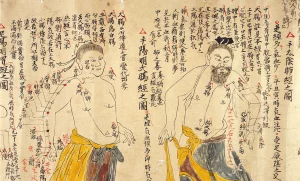
Chinese acupuncture is based on Traditional Chinese Medicine (TCM). It views the body as an energy system where Qi (pronounced “chee”) flows through meridians or energy pathways. When Qi is blocked, it can lead to pain or illness. The goal of Chinese acupuncture is to restore balance by stimulating specific points.
Western acupuncture, also called medical acupuncture, does not follow the concept of Qi or meridians. It is based on scientific research and focuses on balancing nerves, muscles, and tissues to relieve pain and encourage healing.
For instance, a Chinese acupuncturist might place needles at specific points along the body’s energy pathways to alleviate chronic headaches. A Western acupuncturist would target particular areas in the face, head, and neck to reduce pain signals.
2. How Diagnosis and Treatment Differ
Chinese acupuncture takes a holistic approach. It considers physical, emotional, and lifestyle factors when diagnosing a condition. A practitioner might check the patient’s pulse, tongue color, and energy levels to identify imbalances. Treatments often include acupuncture combined with other TCM techniques like herbal medicine, cupping massage, or heat therapy.
Western acupuncture follows a clinical approach. It relies on medical tests and physical assessments. A doctor or physiotherapist might recommend acupuncture for conditions like back pain, arthritis, and muscle tension. The treatment focuses on specific pain points to balance the musculoskeletal and nervous systems.
For example, if a patient has lower back pain, a Chinese acupuncturist might insert needles in the lower back, legs, and wrists to restore energy flow. A Western acupuncturist would place needles directly into affected muscles and nerves to reduce pain and tension.
3. Needle Placement and How Long They Stay In
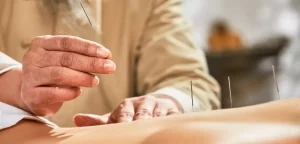
Both methods use fine needles, but they are placed differently.
In Chinese acupuncture, needles are inserted into specific meridian points, often deeper into the skin to influence Qi flow. The needles usually stay in place for 20 to 30 minutes to allow energy to rebalance.
Western acupuncture targets trigger points and nerve pathways. The needles are usually placed at a shallower depth and moved around to release trigger points in muscles and connective tissue. Physiotherapists, osteopaths, and doctors commonly use it to relieve muscle tension and nerve pain.
For example, if a runner has knee pain, a Chinese acupuncturist might insert needles not only in the knee but also in the foot or hip to correct energy imbalances. A Western acupuncturist would focus directly on the knee to stimulate nerves and improve circulation.
4. Health Conditions Each Type of Acupuncture Treats
Chinese acupuncture is used for a wide range of health problems. It is effective for stress, digestive issues, insomnia, fertility problems, and fatigue. Many people choose it for long-term well-being and balance.
Western acupuncture is usually used for pain management and rehabilitation. It is popular for treating sports injuries, migraines, sciatica, arthritis, and post-surgery recovery. Chronic pain acupuncture is one of the most common reasons people seek this treatment, as it offers targeted, evidence-based relief. Many people receive it alongside physiotherapy to achieve faster, longer-lasting effects.
For example, if someone struggles with chronic stress and anxiety, a Chinese acupuncturist might focus on balancing their Qi over multiple sessions. If someone has tennis elbow, a Western acupuncturist would treat the affected tendons directly to reduce pain and inflammation.
FAQs About Chinese and Western Acupuncture
Q.1 Which type of acupuncture is better?
It depends on your needs. If you want long-term balance and overall well-being, a combination of Chinese and Western acupuncture may be better. For acute pain, stiffness, or injuries, Western acupuncture is often more effective.
Q.2 Does acupuncture hurt?
Most people feel slight discomfort, but every individual is different. The needles are wonderful, and any discomfort is mild and temporary. Some people feel a tingling or warming sensation, while others describe a “papping” or “fluttering” sensation. Others feel a slight sensation besides pressure.
Q.3 How many sessions do I need?
It depends on your condition. Some people feel better after one or two sessions, while others need several treatments over weeks or months.
Q.4 Can I combine acupuncture with other treatments?
Absolutely, acupuncture is often used alongside physiotherapy, massage, and/or medication to support healing. Always check with your healthcare provider before combining treatments.
Q.5 Is acupuncture safe?
Yes. When performed by a qualified professional, acupuncture is safe. Some people experience mild bruising or soreness, but this is entirely normal. Serious side effects are rare.
Final Words on Choosing the Right Acupuncture for You
Both Chinese and Western acupuncture offer real health benefits, but they suit different needs. For a holistic approach to well-being, consider combining Western and Chinese acupuncture. If you need targeted pain relief, Western acupuncture may work better.